
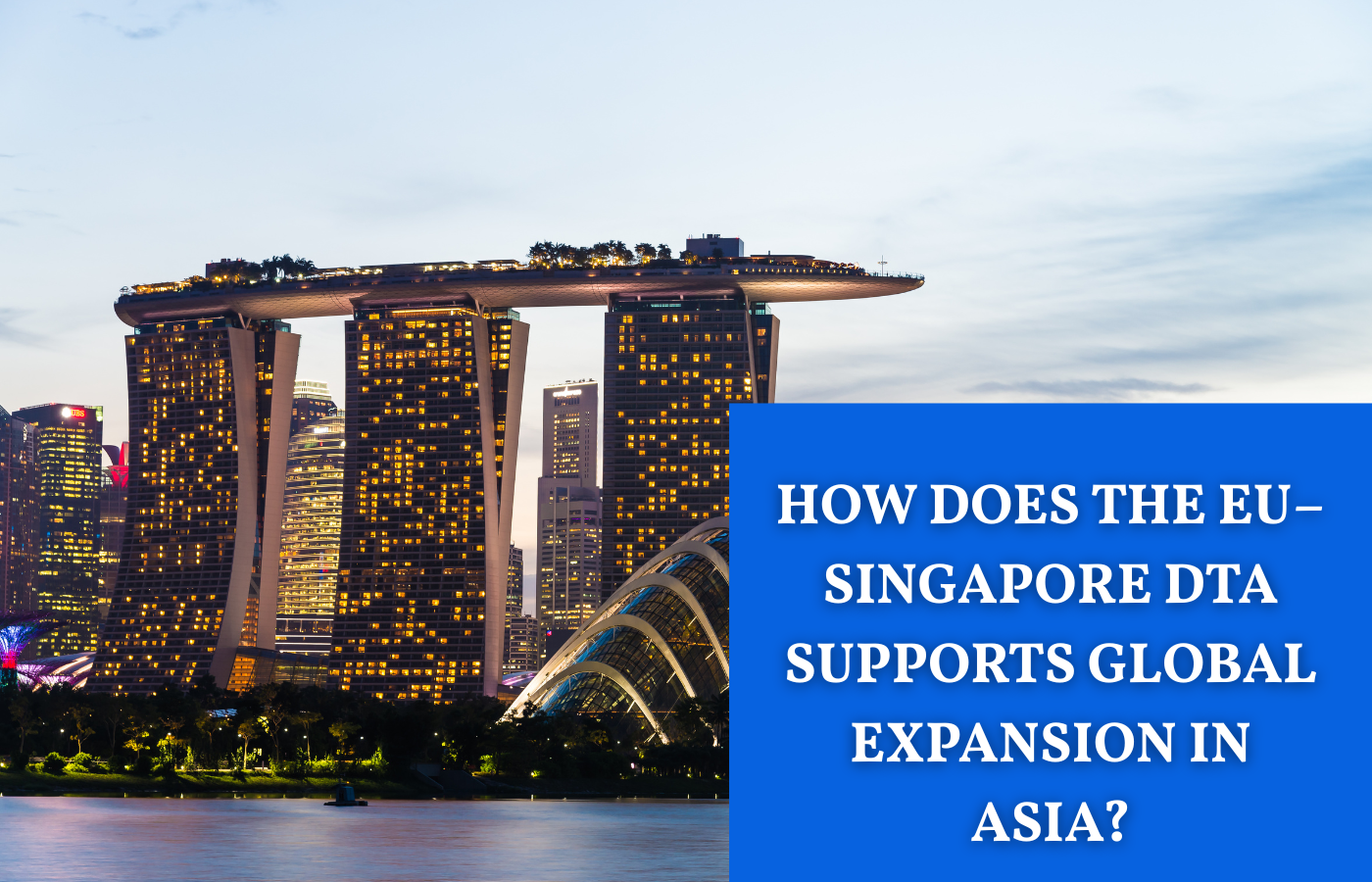
Global expansion into Asia continues to create operational and compliance challenges for US and European businesses.
Many companies still struggle with:
- Different data protection laws across Asian countries
- Restrictions on cross-border data transfers
- Compliance risks related to customer and employee information
- High infrastructure costs when operating in multiple jurisdictions
- Regulatory uncertainty surrounding digital operations
For digital-first businesses, these challenges can slow expansion, increase operational costs, and create long-term compliance risks.
In 2026, the EU–Singapore Digital Trade Agreement (DTA) is helping address many of these issues by creating a more structured and trusted digital trade system between Europe and Singapore, supporting businesses planning a legal entity in Singapore.
The agreement supports secure cross-border data flows, digital transactions, cybersecurity cooperation, and internationally aligned digital governance standards. For international businesses, this creates an opportunity to use Singapore as a compliant regional hub for managing operations across Asia.
Instead of building separate systems for each market, businesses can centralize digital operations, data governance, and regional infrastructure through Singapore while expanding into ASEAN and broader Asia-Pacific markets.
This blog explains how the EU–Singapore DTA supports international expansion, why Singapore is becoming a preferred digital gateway into Asia, and how businesses can use this system to build scalable regional operations.
Key takeaways:
- The EU–Singapore DTA creates a more predictable environment for cross-border digital business
- Singapore is becoming a strategic regional hub for Asia expansion
- Businesses can centralize digital operations and data governance in Singapore
- The agreement helps reduce operational complexity and compliance uncertainty
- Companies still need to comply with local regulations in each Asian market
- The DTA is especially valuable for SaaS, fintech, ecommerce, and digital service businesses
Why the EU–Singapore DTA Matters for International Expansion
The EU–Singapore DTA is important because it goes beyond traditional trade agreements. Instead of focusing only on goods and tariffs, it creates rules for how digital businesses can operate across borders.
For international companies, this has major commercial and operational benefits.
1. It Creates a More Trusted Data Environment
One of the biggest challenges in global expansion is managing data across multiple countries with different regulations.
The DTA helps create a more trusted system for:
- Cross-border data transfers
- Digital transactions
- Consumer protection
- Cybersecurity cooperation
- Electronic documentation
This matters because businesses increasingly rely on centralized digital systems to manage operations globally.
With Singapore operating under internationally aligned digital governance standards, companies can establish regional operations with greater confidence and lower compliance uncertainty.
For EU businesses in particular, Singapore becomes a more attractive location for handling digital operations connected to Asia.
2. It Reduces the Need for Multiple Regional Systems
Without structured digital trade frameworks, companies often need:
- Country-specific compliance systems
- Separate data infrastructure
- Multiple vendors and operational processes
- Localized digital environments
This increases both operational complexity and expansion costs.
The DTA helps simplify this process by supporting smoother digital interoperability between regions.
Commercially, this allows businesses to:
- Centralize operations more efficiently
- Reduce duplicate infrastructure investments
- Scale regional operations faster
- Improve operational consistency
For companies expanding across ASEAN markets, Singapore can function as a centralized operational base instead of managing fragmented systems country by country.
3. It Improves Confidence in Asia Expansion
Many international businesses delay expansion into Asia because of concerns around:
- Regulatory uncertainty
- Data localization requirements
- Cybersecurity obligations
- Compliance risks
The DTA introduces more predictable digital trade rules between the EU and Singapore.
This creates a stronger foundation for businesses planning long-term regional expansion strategies.
Companies gain:
- Greater legal clarity
- Improved operational predictability
- Reduced compliance uncertainty
- Stronger digital governance alignment
What Is the EU–Singapore Digital Trade Agreement (DTA)?
The EU–Singapore Digital Trade Agreement, introduced in 2026, is one of the world’s most advanced digital trade agreements.
It establishes rules and standards for digital trade between the European Union and Singapore.
The agreement focuses on:
- Secure cross-border data flows
- Digital services and e-commerce
- Cybersecurity cooperation
- Consumer protection
- Digital authentication and contracts
- Paperless trade systems
The DTA builds on the existing EU–Singapore Free Trade Agreement while expanding cooperation into the digital economy.
Its broader objective is to create a secure, trusted, and interoperable digital trade environment that supports international business operations.
According to the European Commission, trade in services between the EU and Singapore already exceeds €100 billion annually, with digital services becoming an increasingly important component of global trade.
How the EU–Singapore DTA Helps Businesses Operate Across Asia?
The EU-Singapore DTA helps businesses operate across Asia with the following:
Cross-Border Data Transfers Become Easier
One of the biggest barriers to international expansion is managing data across multiple jurisdictions.
Some countries impose restrictions on how businesses transfer, process, or store data internationally.
The DTA helps reduce unnecessary barriers to cross-border data transfers between the EU and Singapore.
For businesses, this creates several operational advantages:
- Centralized cloud infrastructure
- Easier management of customer and operational data
- Reduced the need for duplicate regional systems
- Lower infrastructure costs
- Improved operational scalability
This is especially valuable for:
- SaaS companies
- Fintech platforms
- E-commerce businesses
- Consulting firms
- Cloud-based service providers
Instead of building separate digital infrastructure in every market, businesses can manage regional operations more efficiently from Singapore.
Digital Transactions Become More Standardized
The agreement also supports standardized rules for:
- Electronic contracts
- Digital signatures
- Authentication systems
- Online transactions
This improves consistency for companies operating internationally.
Businesses entering multiple Asian markets often face different legal interpretations of digital documentation and online processes.
The DTA helps create more reliable digital trade standards, reducing operational friction and improving legal certainty.
For international organizations, this simplifies:
- Customer onboarding
- Vendor management
- Cross-border contracts
- Digital payment systems
Paperless Trade Reduces Administrative Burden
The DTA promotes digital trade processes and paperless documentation systems.
This includes:
- Electronic invoicing
- Digital customs documentation
- Electronic trade records
Operationally, businesses benefit from:
- Faster processing times
- Reduced manual administration
- Lower documentation costs
- Improved efficiency
For growing international businesses, this can significantly improve expansion speed and operational agility.
Stronger Cybersecurity and Consumer Protection System
As digital operations expand globally, cybersecurity and data protection are becoming central business priorities.
The DTA supports cooperation around:
- Cybersecurity risk management
- Consumer data protection
- Fraud prevention
- Trusted digital systems
This is particularly important for businesses handling:
- Financial data
- Customer information
- Employee records
- E-commerce transactions
A stronger governance system helps businesses build trust with both regulators and customers.
Does the DTA Make All Asian Expansion Automatically EU-Compliant?
No.
This is an important distinction businesses must understand.
The EU–Singapore DTA does not automatically make all Asian countries compliant with EU regulations such as GDPR.
Companies must still comply with local laws and regulatory requirements in every country where they operate.
However, the agreement creates a more internationally aligned system for managing digital operations through Singapore.
This means businesses can:
- Centralize regional data governance
- Build operations on a trusted regulatory foundation
- Reduce duplication of compliance systems
- Improve consistency across regional operations
In practice, Singapore becomes a lower-risk operational hub for managing expansion into Asia.
This is one of the key strategic advantages of the agreement.
Why Singapore Is Becoming Asia’s Digital Expansion Hub?
Singapore has long been considered one of the world’s leading business destinations.
However, the EU–Singapore DTA further strengthens its position as a strategic gateway into Asia.
Singapore offers:
- A transparent legal system
- Strong regulatory governance
- Advanced digital infrastructure
- Stable political and economic conditions
- International financial connectivity
- Business-friendly tax structures
It also maintains multiple Digital Economy Agreements with global partners, reinforcing its role in international digital trade.
For international businesses, Singapore provides a structured environment for:
- Regional headquarters
- Digital operations management
- Data governance
- Financial operations
- Cross-border workforce management
Combined with the DTA, Singapore becomes even more attractive as a centralized base for Asia-Pacific expansion.
Which Businesses Benefit Most from the EU–Singapore DTA?
The agreement is especially valuable for businesses operating digitally across borders.
Industries that can benefit include:
- SaaS and cloud technology companies
- Fintech and payment providers
- E-commerce businesses
- Professional services firms
- AI and data-driven companies
- Digital consulting firms
Common use cases include:
- Establishing a regional headquarters in Singapore
- Managing Asia-Pacific operations centrally
- Supporting digital services across ASEAN markets
- Creating internationally aligned data governance structures
How does the DTA align with 2026 Global Expansion Trends?
Global expansion strategies are increasingly becoming digital-first.
Several major trends are shaping international business growth in 2026:
- Increased reliance on cloud-based operations
- Greater focus on data governance and cybersecurity
- Rising demand for scalable digital infrastructure
- Preference for regional operational hubs
- Stronger global compliance expectations
As cross-border digital trade continues to grow, businesses are prioritizing locations with trusted legal and digital frameworks.
The EU–Singapore DTA directly supports these trends by:
- Enabling smoother digital operations
- Supporting international data flows
- Improving regulatory predictability
- Strengthening Singapore’s role as a regional digital hub
For international companies, this creates a stronger foundation for long-term expansion across Asia.
Challenges Businesses Must Still Consider
While the DTA simplifies many aspects of digital trade, businesses still need to manage several operational and regulatory requirements.
These include:
- Local licensing obligations
- Country-specific employment regulations
- Tax structuring and reporting
- Industry-specific compliance rules
- Local corporate governance requirements
The agreement reduces complexity, but successful expansion still requires proper planning and execution.
Businesses should approach expansion with a clear legal, operational, and compliance strategy.
How to Leverage the EU–Singapore DTA for Your Expansion Strategy?
To benefit fully from the agreement, businesses should adopt a structured expansion approach.
Step 1: Evaluate Your Digital Operations
Assess how your company manages:
- Customer data
- Cloud infrastructure
- Regional digital services
- Cross-border transactions
Identify areas where centralized operations can improve efficiency.
Step 2: Use Singapore as a Regional Operational Base
Singapore can support:
- Regional management
- Centralized governance
- Financial operations
- Workforce coordination
- Digital infrastructure management
This creates a stronger operational foundation for Asia expansion.
Step 3: Align Data Governance with International Standards
Businesses should ensure their policies align with:
- International privacy frameworks
- Cybersecurity standards
- Regional compliance obligations
This reduces long-term compliance risk.
Step 4: Establish the Right Legal and Operational Infrastructure
Expansion requires:
- Company registration
- Payroll setup
- Accounting systems
- Tax compliance
- Employment compliance
A structured setup process helps businesses scale more effectively across the region.
How Cerity Global Supports Expansion into Singapore and Asia?
While the EU–Singapore DTA creates the regulatory foundation for digital expansion, businesses still need operational execution across legal, financial, and compliance areas.
Cerity Global supports international companies with:
Legal Entity Setup
- Company formation in Singapore
- Regulatory registrations
- Corporate compliance support
Payroll & Workforce Management
- Multi-country payroll solutions
- Employee onboarding support
- Workforce compliance management
Accounting & Tax Compliance
- Bookkeeping and reporting
- Statutory filings
- International tax structuring support
Expansion Strategy Support
- Market entry planning
- Operational structuring
- Compliance alignment
- Risk mitigation
With the right operational strategy, businesses can enter Asian markets faster while maintaining stronger compliance and scalability.
Bottom Line
The EU–Singapore Digital Trade Agreement represents an important shift in how international digital trade operates.
For US and European businesses, the agreement creates a more structured system for managing expansion into Asia through Singapore.
While companies must still comply with local regulations in each market, the DTA helps reduce operational complexity by supporting trusted data flows, standardized digital trade systems, and internationally aligned governance frameworks.
As businesses increasingly adopt digital-first expansion strategies, Singapore is becoming more than a regional market. It is evolving into a strategic operational hub for managing Asia-Pacific growth.
Companies that align their expansion strategy with these digital trade frameworks may gain:
- Faster regional scalability
- Lower operational complexity
- Stronger compliance alignment
- Improved long-term operational efficiency
For businesses planning international growth in 2026 and beyond, the EU–Singapore DTA provides a stronger foundation for building scalable operations across Asia.