
Last Updated: 08 July, 2026
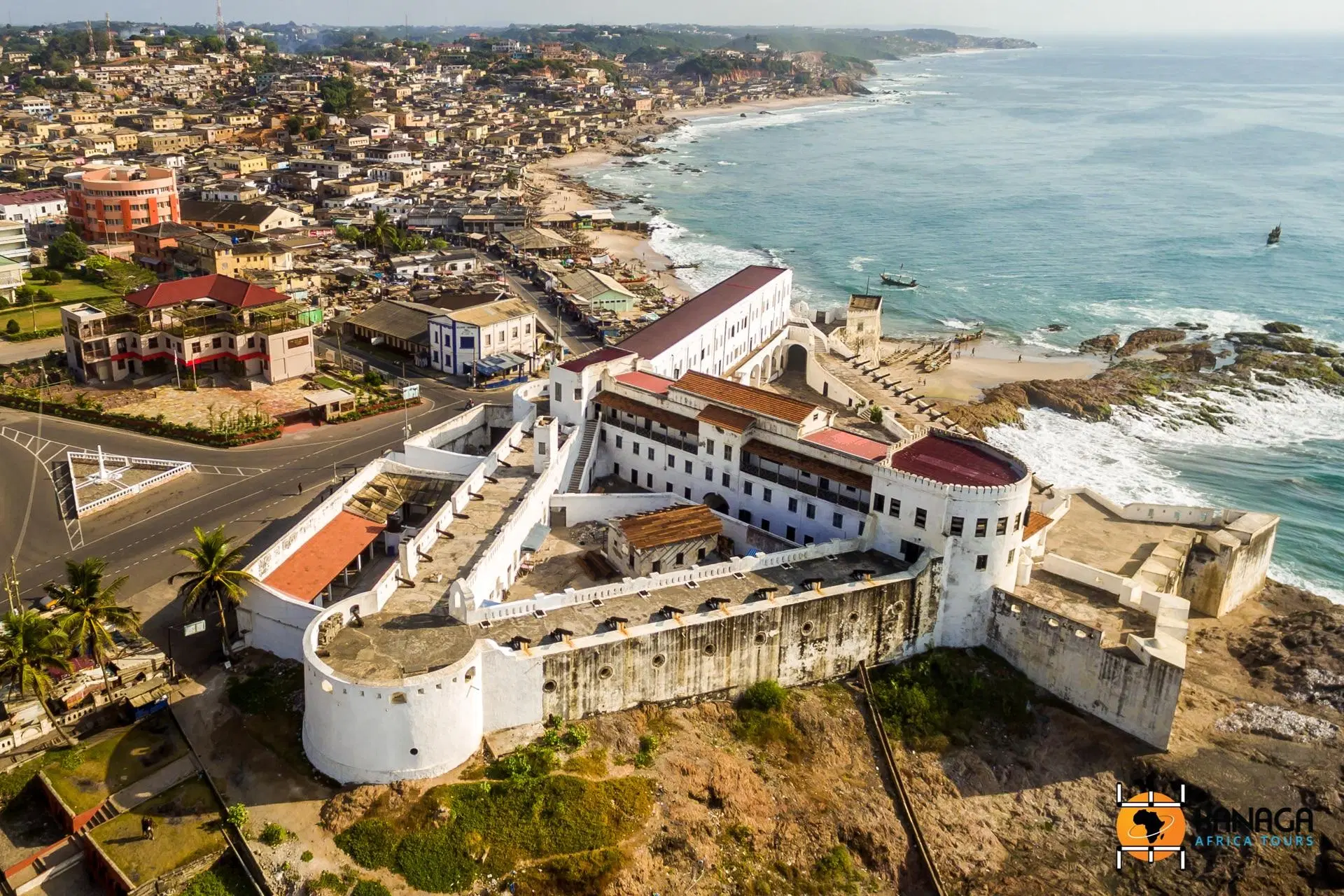
Ghana continues to strengthen its position as one of West Africa's leading business and investment destinations in 2026. Known for its stable democratic governance, expanding digital economy, strategic Atlantic coastline, abundant natural resources, and investor-friendly business environment, Ghana attracts international businesses seeking expansion opportunities across West Africa.
The country's economic development strategy focuses on agriculture, mining, manufacturing, renewable energy, financial services, technology, logistics, healthcare, construction, and infrastructure development. Ghana continues to attract investment across agribusiness, cocoa processing, gold mining, oil and gas, telecommunications, fintech, pharmaceuticals, education, professional services, and tourism sectors.
As a member of the Economic Community of West African States (ECOWAS), the African Continental Free Trade Area (AfCFTA), and host of the AfCFTA Secretariat, Ghana provides businesses with exceptional access to regional African markets and international trade opportunities. The government actively promotes foreign direct investment through regulatory reforms, investment incentives, industrial parks, and digital transformation initiatives.
In 2026, Ghana’s business environment stands out because of:
Foreign businesses entering Ghana must comply with company registration requirements, labor regulations, tax obligations, foreign investment regulations, and sector-specific licensing requirements.
Capital City
Accra
Language
English
Currency
Ghanaian Cedi (GHS)
Business Hubs
Accra, Kumasi, Tema, Takoradi, Tamale, Cape Coast
Ghana offers international businesses access to one of Africa's fastest-growing economies, supported by regional trade integration, digital innovation, infrastructure investment, and a diversified private sector.
Businesses entering Ghana must complete company incorporation, tax registration, labor compliance, and operational licensing requirements. Proper business structuring supports regulatory compliance and sustainable business growth.
Our team provides comprehensive support for legal entity setup and ongoing business administration in Ghana.
Our services include:
The most commonly used legal structure for foreign investors.
It offers:
Suitable for larger businesses and companies seeking to raise capital.
Benefits include:
Allows foreign companies to establish a branch and conduct approved business activities in Ghana without incorporating a separate subsidiary.
Suitable for market research, promotional activities, and liaison functions without engaging in direct commercial operations.
Opening a corporate bank account is an important step after incorporation.

Setting up a company in Ghana involves multiple regulatory procedures and compliance obligations.
Professional support helps businesses:
Typical requirements may include:
Foreign ownership is permitted across many sectors, although certain industries may have minimum capital requirements or sector-specific regulations.
International companies choose Ghana because of:
Ghana continues to attract international businesses seeking expansion opportunities across technology, manufacturing, agriculture, mining, renewable energy, financial services, logistics, healthcare, telecommunications, and professional services sectors.
We support businesses throughout every stage of expansion into Ghana.From incorporation and licensing to HR, payroll, accounting, tax and compliance, we help companies establish compliant and scalable operations in Ghana.
Disclaimer – The information provided is for general informational purposes only and should not be considered legal, tax, or financial advice.
To discuss your needs and how we can help you achieve a compliant and efficient expansion.